
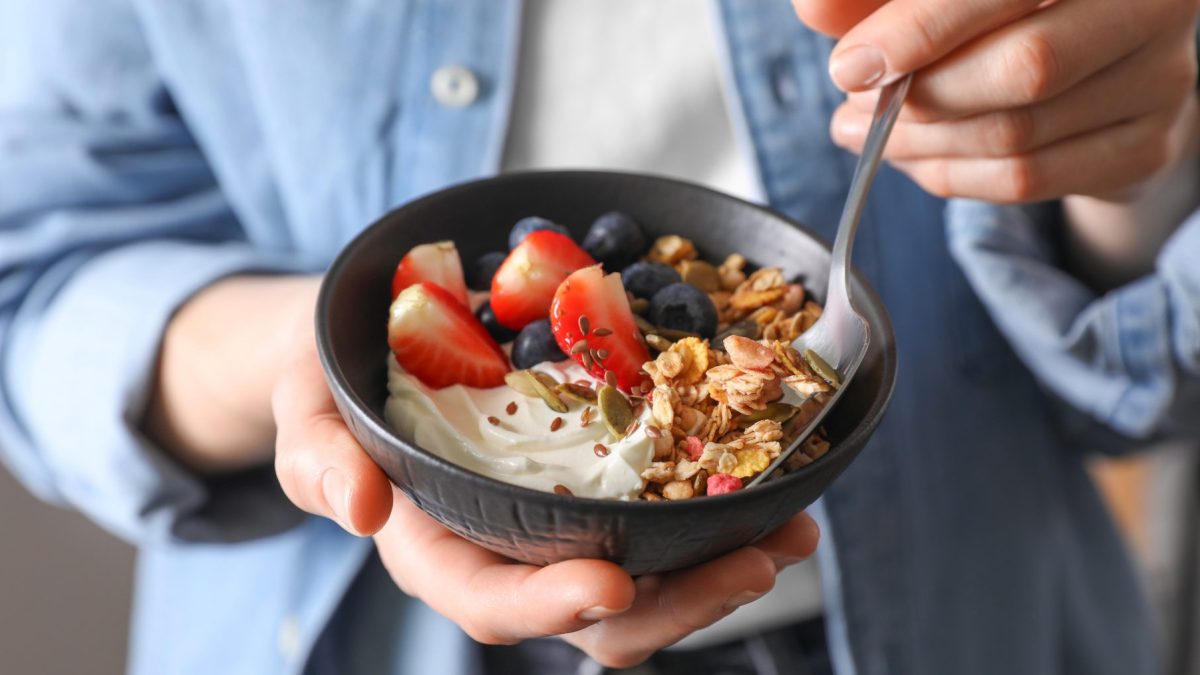
Eating healthy does not end with main meals. Snacks play a vital role in maintaining energy levels, balancing blood sugar, and preventing overeating during meals. However, choosing the right snacks can be challenging in a world filled with highly processed food marketing. This comprehensive guide will help you discover healthy snack ideas that are both satisfying and nutritious.
In this post, we explore snacks suitable for busy professionals, fitness enthusiasts, children, and anyone striving for a balanced diet. We also include practical nutrition tips, explain why certain snacks are better than others, and provide ideas that align with expert guidelines from trusted sources.
Why Healthy Snacking Matters
Snacking is a regular part of most people’s daily routines. When done right, it supports metabolic health, improves mood, and stabilizes blood sugar levels. According to the World Health Organization (WHO), incorporating nutritious snacks can help individuals meet their daily nutrient requirements, particularly when whole food meals alone may not suffice.
Conversely, choosing snacks high in added sugars, unhealthy fats, and refined carbohydrates can contribute to weight gain, insulin resistance, and energy crashes. The United States Department of Agriculture (USDA) dietary guidelines emphasize that snacks should be nutrient‑dense rather than calorie‑dense.
Core Principles of Healthy Snacking
Before diving into specific snack ideas, let’s cover the foundation of nutritious snacking:
Balance Macronutrients
A healthy snack combines:
- Complex carbohydrates for steady energy
- Lean protein to support muscle health and satiety
- Healthy fats to promote nutrient absorption and fullness
For example, pairing whole‑grain crackers with hummus delivers carbs, protein, and fat in a well‑rounded snack.
Focus on Fiber
Dietary fiber supports digestion, helps control appetite, and stabilizes blood sugar. The American Heart Association (AHA) recommends meals and snacks rich in fruits, vegetables, legumes, and whole grains to meet daily fiber goals.
Minimize Added Sugars and Refined Oils
Snacks with high added sugar contribute to inflammation and metabolic stress. Choosing whole fruits, unsweetened dairy, or minimally processed foods can reduce sugar intake.
Healthy Snack Ideas for Every Time of Day
Below are easy, delicious, and nutrient‑rich snack options categorized by different needs and lifestyles.
Quick and Simple Snacks for Busy Days
Whether you are heading to work or come home late, these snacks require minimal preparation:
- Greek Yogurt with Fresh Berries
- Greek yogurt provides protein and probiotics.
- Berries like blueberries or strawberries add fiber and antioxidants.
- Apple Slices with Nut Butter
- Apples offer fiber and vitamins.
- Almond or peanut butter contributes healthy fats and protein.
- Whole‑Grain Toast with Avocado
- Avocado is rich in monounsaturated fats and potassium.
- Whole grain toast supplies complex carbohydrates for energy.
- Carrot and Celery Sticks with Hummus
- Crunchy vegetables are low in calories and high in fiber.
- Hummus adds plant‑based protein and flavor.
Protein‑Packed Options for Fitness Enthusiasts
If you exercise regularly, seek snacks that enhance recovery and build muscle:
- Hard‑Boiled Eggs
- Rich in complete protein and vitamins like B12.
- Easy to prepare in batches.
- Cottage Cheese with Pineapple
- Cottage cheese offers casein protein, slow‑digesting and sustaining.
- Pineapple adds sweetness and vitamin C.
- Turkey or Chicken Roll‑Ups
- Lean poultry wrapped with lettuce or whole‑grain tortilla.
- Provides protein without excess fat.
- Protein Smoothie
- Blend low‑fat milk or plant‑based alternative with spinach, banana, and protein powder.
- Smoothies are customizable to your macronutrient needs.
Snacks for Kids That Parents Love
Encourage healthy habits early with kid‑friendly snacks:
- Banana Slices with Yogurt Dip
- Banana slices topped with plain yogurt create a sweet, calcium‑rich treat.
- Homemade Trail Mix
- Combine unsalted nuts, dried fruit, and whole‑grain cereal for a mix that’s fun and nourishing.
- Cheese and Whole‑Grain Crackers
- A balance of carbohydrates, fats, and protein in a familiar form.
- Fruit Kabobs
- Vibrant fruit skewers make healthy eating engaging and tasty.
Low‑Calorie Snacks for Weight Management
If weight control is a priority, these snacks are satisfying without being high in calories:
- Air‑Popped Popcorn
- Whole grain and high in fiber when air‑popped and lightly seasoned.
- Cucumber and Tomato Salad
- Hydrating vegetables with a squeeze of lemon and herbs.
- Edamame
- Steamed soybeans rich in plant protein and fiber.
- Chia Seed Pudding
- Chia seeds soaked in unsweetened almond milk provide fiber and omega‑3 fats.
Snack Prep Tips and Strategies
Adopting healthy snack habits is easier with a plan. Here are practical strategies to make nutritious snacking consistent:
Prepare in Advance
Spending a little time on meal prep can save decision fatigue later. For example, washing and cutting vegetables on Sunday for midweeksnacks can make grabbing healthy options automatic.
Portion Wisely
Even healthy foods can lead to excess calories if eaten in large amounts. Use small containers or portion out servings into grab‑and‑go bags.
Read Labels
Healthier snack choices often hide under misleading marketing. Check for added sugars, sodium, and trans fats. The Food and Drug Administration (FDA) recommends keeping added sugar intake low to reduce chronic disease risk.
Make Healthy Swaps
Simple swaps can enhance nutrition without sacrificing enjoyment. For example:
- Choose whole‑grain over refined snacks.
- Replace sugary drinks with herbal tea or infused water.
Seasonal Snack Ideas for Year‑Round Variety
Seasonal produce not only tastes better but also delivers peak nutrition. Exploring seasonal snacks brings diversity to your diet:
Spring
- Asparagus and Chickpea Salad
- Strawberry Yogurt Parfait
Summer
- Watermelon and Feta Bites
- Grilled Peach Slices with Honey
Autumn
- Roasted Pumpkin Seeds
- Baked Sweet Potato Fries
Winter
- Citrus Fruit Salad
- Warm Spiced Nuts
Addressing Common Snacking Challenges
Many people struggle with cravings or unhealthy snacking patterns. Here’s how to tackle them:
Craving Sweet Treats
Often, cravings signal a need for balanced energy. Try pairing a piece of fruit with protein (e.g., apple with nut butter) to satisfy both sweet and satiety needs.
Late‑Night Snacking
Late‑night hunger may result from skipping meals or irregular eating patterns. Focus on structured meals and include a protein‑rich snack before bedtime to reduce unplanned eating.
Emotional Eating
Stress and emotions can trigger eating that is not hunger‑based. Identify triggers and adopt alternative coping strategies such as a short walk, deep breathing, or reading.
Conclusion: Empower Your Snacking
Healthy snacking is about mindful choices, balanced nutrients, and planning. By selecting snacks that combine fiber, lean protein, and healthy fats, you support long‑term health, greater energy, and better weight management.
Remember, a healthy snack does not need to be complicated. Simple combinations such as fruit with yogurt, nuts with whole grains, or fresh vegetables with dip can transform your daily eating habits. Use the snack ideas here to inspire your own creativity and align your choices with guidance from trusted sources like the World Health Organization and American Heart Association.
Start today by choosing one new healthy snack idea and making it part of your routine. Consistency, not perfection, fuels long‑term wellness.